
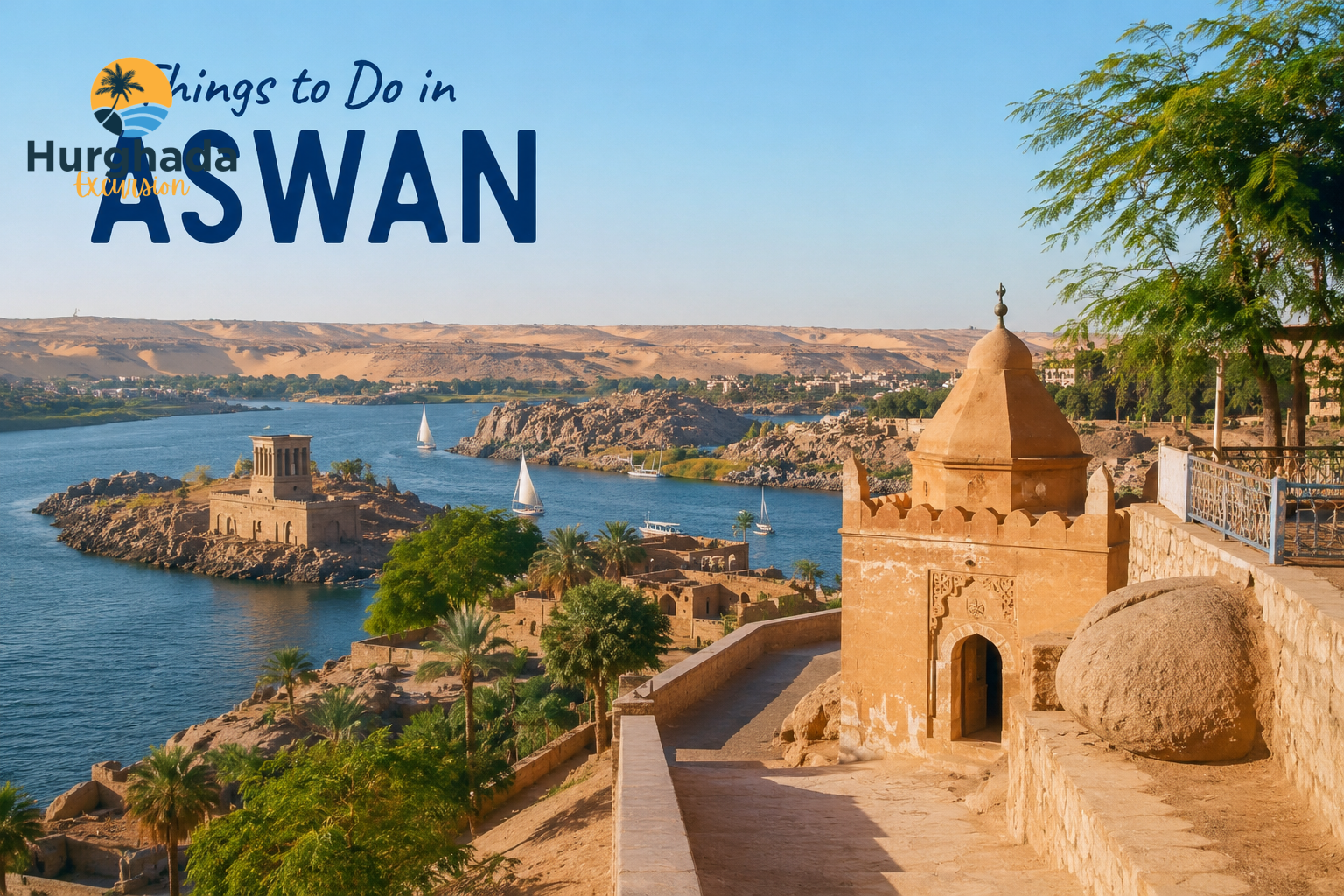

Tour Overview: Where the Nile Narrows & Nubia Begins

A
swan, Egypt’s southernmost major city and a tranquil Nubian-influenced haven, sits where the Nile narrows and the desert meets the river in dramatic fashion. Known anciently as Swenett or Syene, it served as a vital trading post, quarry source for granite obelisks and colossal statues, and the ancient frontier between Egypt and Nubia. Today, with a population of around 300,000–400,000, Aswan offers a refreshingly relaxed pace compared to Cairo’s urban hustle or Luxor’s dense temple circuit.
Its clear cobalt skies, palm-fringed islands, technicolor Nubian villages, and iconic sites like Philae Temple and the High Dam make it an essential stop on any Egypt itinerary. This carefully curated guide to things to do in Aswan covers everything from must-see ancient wonders and vibrant cultural experiences to serene Nile sails, delicious cuisine, hidden gems, day trips, and practical advice for 2026 travelers.
Aswan rewards visitors who slow down: watch the feluccas glide at sunset, sip hibiscus tea in a Nubian home, and feel the timeless flow of the world’s longest river. Whether you have 2–3 days or a luxurious full week, Aswan’s blend of pharaonic history, Nubian warmth, and natural beauty creates profound, lasting memories that linger long after you’ve returned home.
“
Aswan is not a city you rush through — it is a rhythm you surrender to. The Nile itself seems to breathe here.
Tour Highlights at a Glance

Philae Temple
Island sanctuary of Isis — relocated stone by stone.
Felucca Sailing
Sunset sails past granite boulders and palm isles.
Nubian Villages
Cobalt-blue houses, hibiscus tea, warm hospitality.
Abu Simbel Day Trip
Colossal temples of Ramses II & Nefertari.
Unfinished Obelisk
1,200-tonne monolith in ancient granite quarries.
Nubian Cuisine
Grilled Nile perch, hibiscus tea & aromatic tagines.
1. Philae Temple: The Jewel of the Nile

The Temple of Philae, dedicated primarily to the goddess Isis, ranks among Egypt’s most beautiful and undeniably romantic sites. Originally standing on Philae Island, it was painstakingly dismantled and relocated to neighboring Agilkia Island in the 1970s–80s to save it from flooding caused by the Aswan High Dam. That extraordinary UNESCO rescue effort preserved this Ptolemaic and Roman-era masterpiece for generations to come — and the story itself is as compelling as the temple’s ancient mythology.
Approaching Philae by motorboat creates a genuinely magical first impression. The temple complex features a grand pylon adorned with carvings of Isis and Horus, graceful colonnades, shadowy hypostyle halls, and intimate sanctuaries. The reliefs depict enduring myths of Isis resurrecting Osiris and protecting her falcon-headed son Horus. The island setting, surrounded by cobalt water and ochre desert hills, enhances the dreamlike atmosphere — especially at sunset or during the evening Sound and Light Show, which dramatizes the temple’s 2,000-year history with projections and poetic narration.
💡 Travel Tip: Best Time at Philae
Arrive right at opening (7:00 AM) to enjoy the temple nearly alone. Tickets cost around EGP 400+ for foreigners (prices fluctuate — check current rates). Combine your visit with a short boat ride for the full island experience. Photography is exceptional here, particularly the Kiosk of Trajan with its graceful columns reflected in the water. Plan 1.5–2 hours.
Philae is partially wheelchair-accessible but involves some walking and steps between the boat dock and the upper sanctuaries. The temple ultimately symbolizes resilience and maternal devotion in Egyptian mythology, making it a highlight for first-time and repeat visitors alike — and arguably one of the most atmospheric things to do in Aswan at any time of year.
2. The Unfinished Obelisk & Ancient Granite Quarries

In the northern granite quarries lies the mesmerizing Unfinished Obelisk, a massive 42-metre-long, 1,200-tonne monument abandoned mid-carving after cracks appeared in the stone during the New Kingdom or later. It offers rare, almost forensic insight into ancient Egyptian engineering: tool marks left by dolerite pounders are still visible, showing exactly how workers chipped and shaped these colossal stones that would have stood before temple pylons throughout Egypt.
The site includes other quarry remains and explanatory displays that bring the ancient industry vividly to life. It’s a short taxi or tour ride from central Aswan and pairs beautifully with a High Dam visit. The scale is humbling — imagine transporting such a monolith by river barge all the way down the Nile to temples in Luxor or Karnak. Entry is affordable and the open-air setting allows for striking photos with raw desert backdrops. Among the quieter things to do in Aswan, this one rewards anyone fascinated by how ancient wonders were physically built.
3. Aswan High Dam & Lake Nasser

The Aswan High Dam, completed in 1970, is a modern engineering marvel that fundamentally transformed Egypt’s agriculture and power supply while creating Lake Nasser, one of the world’s largest artificial reservoirs. The elevated dam viewpoint offers sweeping panoramic views of the vast azure lake and the Nile’s controlled flow downstream. Nearby, a lotus-shaped tower stands as a monument to the Soviet-Egyptian friendship that made the project possible.
While not as visually dramatic as the ancient temples, the dam provides essential context for understanding modern Egypt and the monumental relocation projects of Philae and Abu Simbel. Visits are typically quick (30–45 minutes) but deeply insightful. A small note: photography of certain military-sensitive areas may be restricted, so follow your guide’s advice regarding where to point your lens.
4. Nubian Museum: Celebrating a Rich Heritage

The Nubian Museum is a beautifully designed repository of Nubian history and culture, showcasing artifacts rescued before Lake Nasser’s creation forever altered the ancestral homelands of the Nubian people. Exhibits span prehistory to modern times and include pottery, intricate jewelry, statues, Christian frescoes, and Islamic-era items. The outdoor garden features reconstructed Nubian houses and a small zoo-like area with local animals and desert flora.
It’s blissfully air-conditioned, genuinely informative, and essential for understanding both the human cost and the enduring cultural richness affected by the dam. Plan 1–2 hours; guided tours add considerable depth. The museum’s award-winning architecture blends modern lines with traditional Nubian elements harmoniously — it is a work of art in its own right, and one of the most educational things to do in Aswan.
5. Nubian Villages: Color, Culture & Warm Hospitality

Visiting a Nubian village — whether on the West Bank or islands like Elephantine — is arguably one of Aswan’s most enriching and unforgettable experiences. Brightly painted houses in electric blues, sunshine yellows, rose pinks, and burnt oranges feature intricate geometric designs and sometimes crocodile motifs believed to offer protection. The Nubian people, with their distinct language, soulful music, and deep-rooted traditions, offer genuine, unscripted warmth to curious travelers.
A typical visit includes sweet hibiscus tea in a family home, delicate henna tattoos, traditional music and dance performances, shopping for handmade crafts, aromatic spices, and beaded jewelry, and candid conversation about Nubian history and the painful community displacement that followed the dam. A dinner in a village — featuring fresh Nile fish, slow-cooked okra stews, and homemade flatbread baked in clay ovens — feels authentic, communal, and deeply welcoming. Many tours combine this cultural immersion with a felucca sail for a perfect half-day experience.
Elephantine Island, reachable by local ferry for just a few Egyptian pounds, hosts ancient ruins including the Temple of Khnum and the fascinating Nilometer, a peaceful Nubian community, and the Aswan Museum. Stroll its labyrinthine paths for a glimpse of village life entirely away from main tourist routes.
“
In a Nubian home, a cup of hibiscus tea is never just a drink — it is an invitation to slow down and listen.
6. Felucca Sailing on the Nile: Pure Relaxation

A felucca ride — the traditional wooden sailboat without a motor — is quintessential Aswan and perhaps the most romantic of all things to do in Aswan. Glide silently past enormous granite boulders, shaded palm islands, and tawny desert shores while a Nubian captain gracefully handles the sails using techniques passed down for generations. Sunset and full-day trips to the First Cataract (the rocky rapids area just south of the city) are deservedly popular. Overnight felucca journeys — with simple meals cooked on-board and sleeping under a blanket of desert stars — offer an even deeper immersion.
Negotiate prices carefully or book through reputable, licensed operators for fair rates and safe boats. Bring snacks, strong sunscreen, and a wide-brimmed hat. These sails perfectly highlight Aswan’s serene side, where time slows to the rhythm of the wind rippling the sail and water lapping the hull. Banana Island makes a delightful stop for swimming and fresh fruit straight off the tree.
7. Aswan Botanical Garden (Kitchener’s Island)

Kitchener’s Island, originally gifted to Lord Kitchener for his military services in the Sudan, is a lush, almost incongruous botanical paradise stocked with exotic trees, towering palms, rare flowers, and vibrant birdlife from across Africa and Asia. Elegantly manicured pathways wind through the 6.8-hectare garden, offering generous shade and genuine tranquility even on hot afternoons. It’s ideal for a relaxed afternoon, gentle photography, or a quiet Nile-side picnic. Reach it easily by small boat from the Corniche.
8. Tombs of the Nobles & Qubbet el-Hawa

On the West Bank, the Tombs of the Nobles (including those of Mekhu, Sabni, and Sirenput) feature remarkably well-preserved wall paintings of daily life, hunting scenes, and ritual offerings to the gods. Climb the stone steps for stunning, sweeping panoramas of the Nile, Elephantine Island, and the city beyond. Nearby Qubbet el-Hawa (“Dome of the Wind”) offers another breathtaking viewpoint and a cluster of smaller tombs. These sites feel intimate and genuinely uncrowded compared to the royal tombs elsewhere in Egypt.
9. Aswan Souk & Local Life

The lively Aswan Bazaar stretches along the Corniche district with fragrant spices, hand-woven scarves, Nubian crafts, natural perfumes, and every souvenir imaginable. Haggling is expected and genuinely part of the fun — start at roughly a third of the opening price and work toward a smile. Evening visits buzz with locals shopping after sunset, when the heat eases and the lanterns glow. Nearby, the iconic Old Cataract Hotel — famous as the setting of Agatha Christie’s Death on the Nile — offers an impossibly elegant afternoon tea or sunset cocktail with sweeping Nile views.
10. Food & Culinary Experiences in Aswan
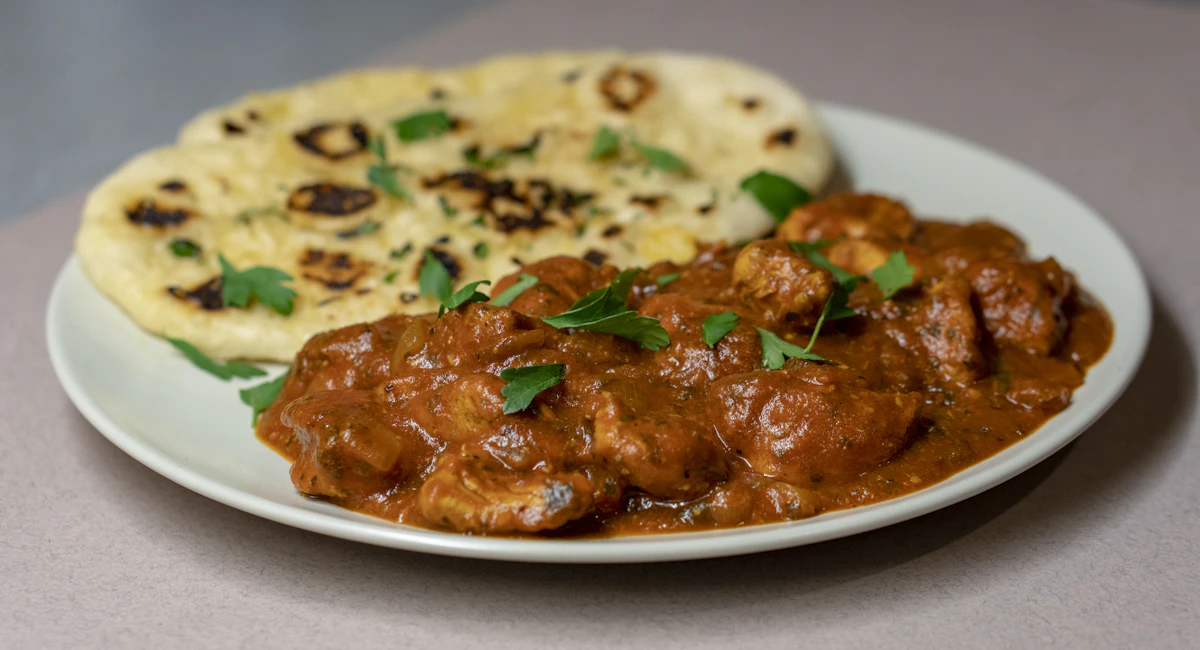
Aswan’s cuisine blends Egyptian and distinctively Nubian flavors, often with more spice and earthier aromatics than the food you’ll find in the north. A few must-tries:
- Fresh Nile perch, tilapia, or shrimp — grilled whole or slow-cooked in clay tagines.
- Nubian specialties: ful with green herbs, molokhia variations, goat or camel stews, and aromatic rice pilafs.
- Hibiscus (karkade) tea — served hot or iced, and spicy shai with fresh mint.
- Street food: ta’ameya (Egyptian falafel), koshary, and freshly pressed sugarcane and mango juices.
- Village dinners with handmade flatbreads, garden salads, and smoky charcoal-grilled meats.
Restaurants like local Nubian family-run spots or hotel rooftops provide atmospheric ambiance with the Nile shimmering beside you. A cooking class or morning market tour adds genuine depth to your food memories. Overall, Aswan’s food is generally fresh, flavorful, and wonderfully affordable by international standards.
11. Day Trips from Aswan
Abu Simbel
The colossal twin temples of Ramses II and his beloved queen Nefertari — dramatically relocated block by block from the rising waters of Lake Nasser — are genuinely awe-inspiring and arguably the most iconic of all things to do in Aswan as a day excursion. Day trips by road (with a very early 3–4 AM start) or a short domestic flight are equally common. The miraculous alignment of sunlight on the inner sanctuary statues twice yearly (the “Sun Festival” on February 22 and October 22) is the stuff of legend.
Kom Ombo & Edfu
The fascinating double temple to Sobek (the crocodile god) and Horus at Kom Ombo, plus the massive and astonishingly well-preserved Horus temple at Edfu, combine perfectly into a single memorable day tour, usually offered as part of Nile cruise itineraries heading north toward Luxor.
Other Options
Seheil Island is famed for thousands of rock inscriptions left by ancient travelers and priests, while longer trips can even push northward toward Luxor via an unforgettable multi-day Nile cruise.

Suggested Full Itinerary

Day 1 — Pharaonic Foundations
Morning: Philae Temple by boat. Midday: Unfinished Obelisk & granite quarries. Afternoon: High Dam viewpoint & Lake Nasser. Evening: Corniche stroll & dinner overlooking the Nile.
Day 2 — Nubian Culture & the Nile
Morning: Nubian Museum. Midday: Felucca sail to Elephantine Island & Kitchener’s Garden. Afternoon: Nubian village visit with tea & henna. Evening: Traditional Nubian dinner & music.
Day 3 — Abu Simbel Grand Day
Early departure (3–4 AM) to Abu Simbel by road or flight. Marvel at Ramses II & Nefertari’s temples. Return to Aswan for afternoon relaxation & sunset at the Old Cataract Hotel.
Day 4–5 — Hidden Gems & Slow Aswan
Tombs of the Nobles & St. Simeon Monastery. Camel trek across the West Bank. Seheil Island inscriptions. Market shopping & cooking class.
Day 6–7 — Kom Ombo, Edfu & Onward
Combined Kom Ombo & Edfu day tour or an overnight Nile cruise heading north toward Luxor. Farewell felucca under the stars.
Included & Excluded

✔ Included
- Professional English-speaking Egyptologist guide
- Air-conditioned private transportation
- All entry tickets to specified sites
- Felucca or motorboat rides as indicated
- Bottled water throughout the day
- Hotel pick-up & drop-off
✗ Not Included
- International flights & visas
- Personal expenses & souvenirs
- Gratuities for guides & drivers
- Optional activities (Sound & Light Show)
- Travel insurance
- Meals unless otherwise specified
Pickup & Drop-Off Details

What to Bring

Sun Hat
SPF 50+ Sunscreen
Sunglasses
Comfortable Shoes
Camera
Modest Clothing
Light Scarf
Cash (EGP/USD)
Important Notes

⚠ Please Note
- Modest dress is required inside temples and in Nubian villages — shoulders & knees covered.
- Photography permits may apply at certain sites; some interior photography carries extra fees.
- Summer daytime temperatures can exceed 45°C — hydrate continuously and schedule visits early.
- Always carry a photocopy of your passport & Egyptian visa for checkpoints.
- Pre-booking Abu Simbel is strongly recommended due to limited daily road-convoy slots.
Best Time to Visit Aswan

Practical Traveler Tips for 2026

Getting There: Fly direct from Cairo (1 hour), take an overnight sleeper train from Luxor or Cairo, or arrive romantically by Nile cruise. Local transport around the city includes taxis, tuk-tuks, short public ferries, and bookable private drivers.
Safety: Aswan is very safe for tourists. Use common sense, dress modestly at religious sites, and always drink bottled water. Female travelers report Aswan as particularly relaxed compared to busier cities.
Accommodation: Options range from budget guesthouses and charming Nile houseboats to legendary luxury like the Sofitel Legend Old Cataract Hotel or the Mövenpick Resort on Elephantine Island.
Money & Tipping: Carry small-denomination EGP notes for tipping (baksheesh) — it’s expected for guides, drivers, and temple staff. ATMs are reliable in the city center.
Aswan’s magic ultimately lies in its contrasts: ancient stones and a modern dam, desert aridity and river fertility, pharaonic legacy and living Nubian culture. The call to prayer mingles with Nubian songs, feluccas drift past granite outcrops, and the Nile continues its eternal journey southward. Take time to connect with locals, savor the slower rhythm, and let Aswan’s serenity recharge you. This southern gateway offers not merely sights but a profound sense of place — one of Egypt’s most soulful destinations. Pack comfortable shoes, a good camera, curiosity, and openness — Aswan will greet you with warmth and leave an indelible mark on your heart.
Frequently Asked Questions
How many days do I need in Aswan?
Three full days cover the major highlights. Five to seven days give you time for Abu Simbel, a Nile cruise, and deeper Nubian cultural experiences.
Is Aswan safe for solo and female travelers?
Yes, Aswan is widely considered one of the safest and most relaxed cities in Egypt. Dress modestly, use licensed transport, and you’ll feel welcomed.
What is the best way to get to Abu Simbel from Aswan?
Most visitors take a 3–4 hour road convoy (departing around 4 AM) or a 45-minute flight. A Lake Nasser cruise that terminates at Abu Simbel is the most luxurious option.
Can I visit Aswan on a day trip from Luxor or Hurghada?
Technically yes, but it is a long day. We strongly recommend at least one overnight in Aswan to truly absorb the city’s relaxed atmosphere.
What currency should I carry?
Egyptian Pounds (EGP) for small purchases and tips. USD or EUR are widely accepted at hotels and larger tour operators. Carry small bills for baksheesh.
What are the top things to do in Aswan for families?
Felucca sailing, Nubian village visits (with camel rides and henna), the Botanical Garden, and Philae Temple are wonderful for families. Abu Simbel is also captivating for older kids.
💬 Instant WhatsApp Booking
Chat directly with an Egypt expert — fast replies, no forms, no waiting.
Related Excursions


Join Our Luxury Travel Circle
Monthly insider guides, private tour drops, and exclusive Red Sea & Nile offers — straight to your inbox.