🪸 Sharm El Naga · Red Sea Snorkeling · Soma Bay · Beach Day · From Hurghada · Daily
Sharm El Naga Snorkeling Trip from Hurghada – Complete Red Sea Guide 2026
📅 Updated: May 2026 | ⏱️ Half-Day or Full Day · 45 min from Hurghada | 💶 From €15 / person | ⭐ 4.8/5 Rated | 🪸 Daily Departures
Forty-five kilometres south of Hurghada, where the road between Hurghada and Soma Bay curves east toward the Red Sea, a small sign points toward one of the finest natural snorkelling bays on the Egyptian Red Sea coast. Sharm El Naga — literally “Bay of the Crocodile” — is a sheltered natural bay with a pristine coral reef that begins just metres from the shore, crystal clear water, a clean white sand beach, and the kind of marine biodiversity that only the southern Red Sea delivers. Unlike the crowded boat excursions to Giftun Island, the Sharm El Naga snorkelling trip is a shore-entry reef experience — no boat required, no waiting, no crowds — just wade in, put your head down, and find yourself immediately immersed in one of the Red Sea’s finest fringing reef systems.
The Sharm El Naga snorkelling trip from Hurghada is one of the most accessible, most affordable, and most rewarding day excursions available from the Hurghada area — combining the spectacular marine life of the Sharm El Naga reef (hawksbill turtles, lionfish, parrotfish, moray eels, blue-spotted rays, and extraordinary coral gardens) with the beautiful beach environment of one of the Red Sea coast’s most unspoiled bays. This complete 2026 guide covers the full itinerary, the marine life, the snorkelling conditions, the entrance fees, and everything else you need to know to get the most from your Sharm El Naga day trip.
🪸 What Is Sharm El Naga? Sharm El Naga (also spelled Sharm el-Naga or Sharm Naga) is a natural protected bay located approximately 45 km south of Hurghada on the Red Sea coast, near the Soma Bay peninsula. The bay features a pristine fringing coral reef that begins approximately 20–30 metres from the shoreline — accessible by shore entry without a boat. The reef extends along both sides of the bay and drops progressively from 3 metres at the reef flat to 15–20+ metres at the outer wall. The bay is protected under Egyptian environmental regulations and maintains exceptional water clarity (20–30 metre visibility year-round). Sharm El Naga beach entrance fee 2026: approximately 60–100 EGP per adult (~€1–2) for beach and reef access. Equipment rental (mask, fins, snorkel) available on site at approximately 80–120 EGP (~€1.50–2).
Sharm El Naga — Location, Reef & Why It’s Special
Sharm El Naga occupies a unique position among Hurghada’s snorkelling destinations — close enough for a convenient day trip (45 km, approximately 45 minutes by road), yet far enough south to escape the busy tourist infrastructure of central Hurghada and access the cleaner, richer marine environment of the less-developed southern coast. The bay’s name — Sharm El Naga (Bay of the Crocodile) — refers to the elongated shape of the bay’s reef system, which early mariners thought resembled a crocodile lying on the surface.
| Detail |
Information |
| Location |
45 km south of Hurghada · near Soma Bay peninsula · Red Sea Governorate |
| Drive time from Hurghada |
~45 minutes by road · no boat required |
| Reef type |
Fringing coral reef · shore entry · reef flat 3–5m · wall to 20m+ |
| Water visibility |
20–30 metres year-round · excellent clarity |
| Key marine life |
Hawksbill turtles · lionfish · moray eels · parrotfish · blue-spotted rays · Napoleon wrasse |
| Beach facilities |
Café/restaurant · sunbeds · showers · changing rooms · equipment rental · parking |
| Entrance fee (2026) |
~60–100 EGP (~€1–2) per adult · children reduced · equipment rental extra |
🌊 What Makes Sharm El Naga Special?
Three qualities distinguish Sharm El Naga from most Hurghada-area snorkelling sites: (1) Shore entry — the reef begins 20–30 metres from the beach, eliminating the boat dependency and seasickness risk of offshore island trips; (2) Pristine coral — the bay’s relatively low visitor traffic and protected status have maintained much better coral health than the heavily visited Giftun Island area; (3) Consistent marine life — hawksbill turtles, large moray eels, and blue-spotted rays are resident rather than occasional visitors.
🏖️ Sharm El Naga & Soma Bay
Sharm El Naga sits immediately north of the Soma Bay peninsula — a prestigious resort and golf development on a natural headland approximately 45 km south of Hurghada. The Soma Bay infrastructure (beach clubs, restaurants, water sports facilities) supplements the natural Sharm El Naga experience, with the beach at Sharm El Naga independent and accessible to day visitors at a modest entrance fee regardless of resort affiliation.
Top 10 Highlights of the Sharm El Naga Snorkeling Trip
🪸
1. Pristine Shore-Entry Coral Reef
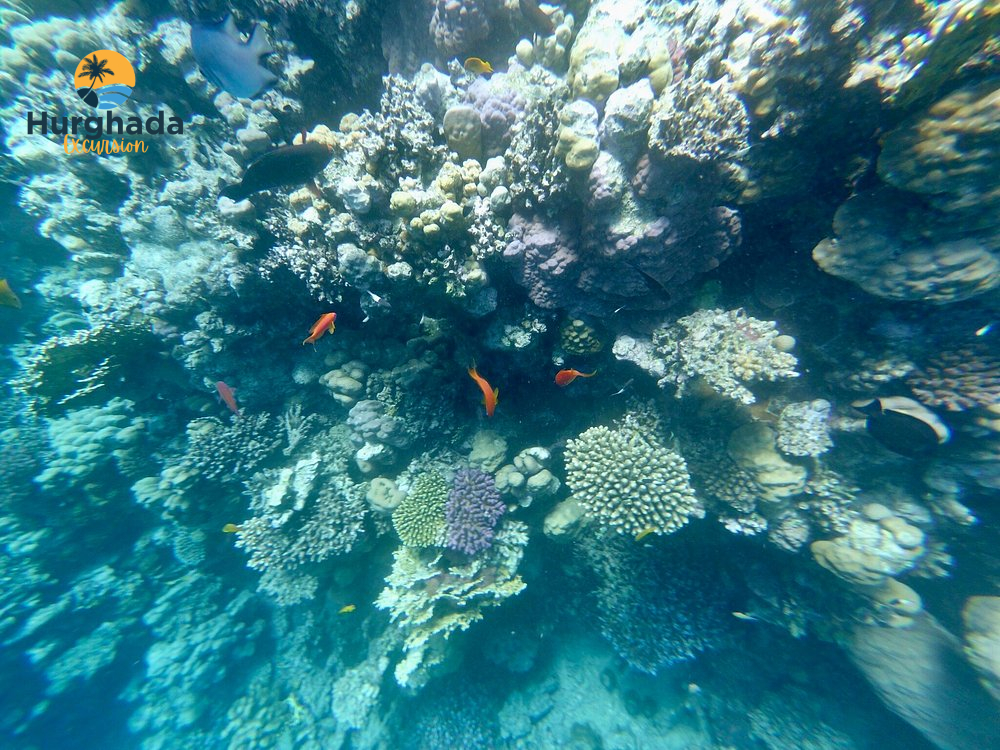
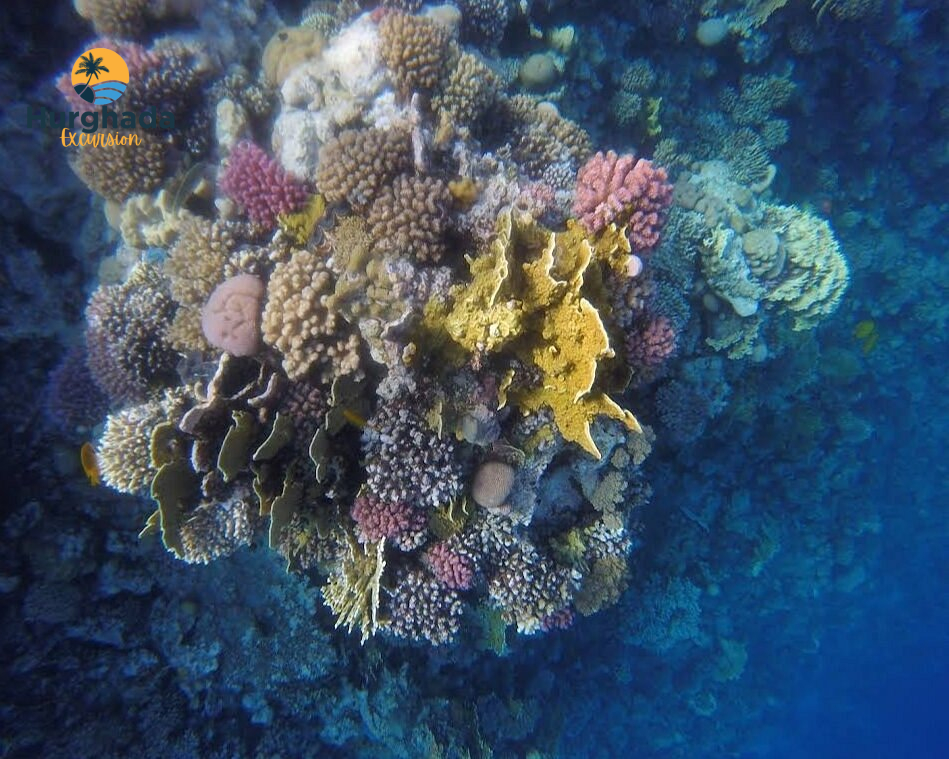
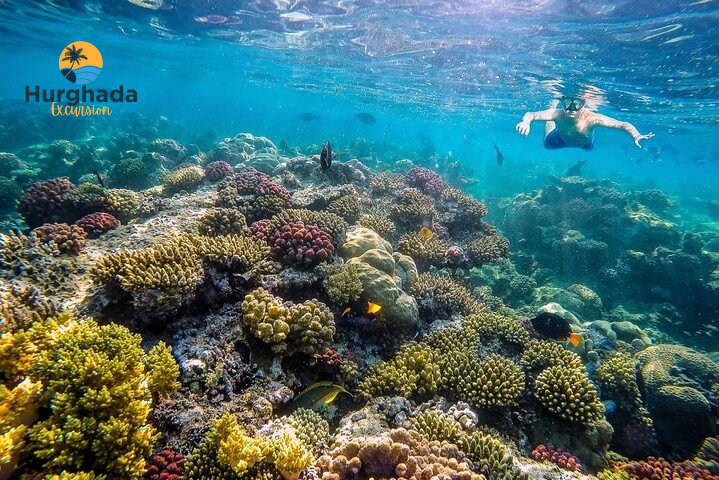
The Sharm El Naga reef begins just 20–30 metres from the shore — wading distance, no boat needed. The reef flat at 3–5 metres provides immediate, accessible coral snorkelling for all levels. Unlike heavily visited offshore reefs, the Sharm El Naga coral has remained in significantly better health — hard corals, soft corals, and sea fans in abundant condition throughout the main snorkelling zone.
🐢
2. Resident Hawksbill Turtles
Unlike the green sea turtles at Abu Dabbab (seagrass feeders), Sharm El Naga is home to resident hawksbill turtles (Eretmochelys imbricata) — the more elegantly marked, narrower-headed turtle that feeds on sponges and coral invertebrates. Several individuals are resident at the reef and regularly sighted during the morning snorkelling sessions. Encounter probability: approximately 60–70% on morning visits.
🦁
3. Lionfish at Close Range
Sharm El Naga is particularly well-known for its exceptional lionfish population — the spectacular venomous reef fish with its elaborate striped fins and hunting poise that is among the most photographed subjects in Red Sea snorkelling. Multiple lionfish are typically visible on the reef flat and under coral overhangs throughout the year. The guide identifies safe viewing distances and explains the lionfish’s hunting strategy.
🌊
4. No Boat, No Seasickness
For guests who suffer from motion sickness or simply prefer a more relaxed, self-paced snorkelling experience, Sharm El Naga’s shore-entry format is ideal. Swim in and out at your own pace, rest on the beach between sessions, re-enter as many times as you like throughout the day — the reef is always 20 metres away. No boat schedule, no shared deck, no engine noise, no waves from the vessel.
🔵
5. Blue-Spotted Ribbontail Rays
The sandy patches between the coral heads at Sharm El Naga are excellent habitat for the beautiful blue-spotted ribbontail ray (Taeniura lymma) — the electric-blue spotted ray that rests on the sand by day and hunts at night. Multiple individuals are typically visible on the reef flat during morning sessions, often partially buried in sand with only their characteristic blue-spotted tops exposed. One of the most reliably encountered and most photogenic Red Sea species.
🐡
6. Pufferfish & Porcupinefish
Sharm El Naga is particularly good for pufferfish and porcupinefish encounters — the inflatable, spiny, comically round fish that hovers around coral heads throughout the reef. Both species are curious and approachable, making them among the easiest subjects to photograph closely. The guide explains the puffing defence mechanism and why only small amounts of pufferfish toxin (tetrodotoxin) are fatal to humans — the most genuinely alarming marine biology fact of the entire snorkelling briefing.
🏖️
7. Beautiful Natural Beach
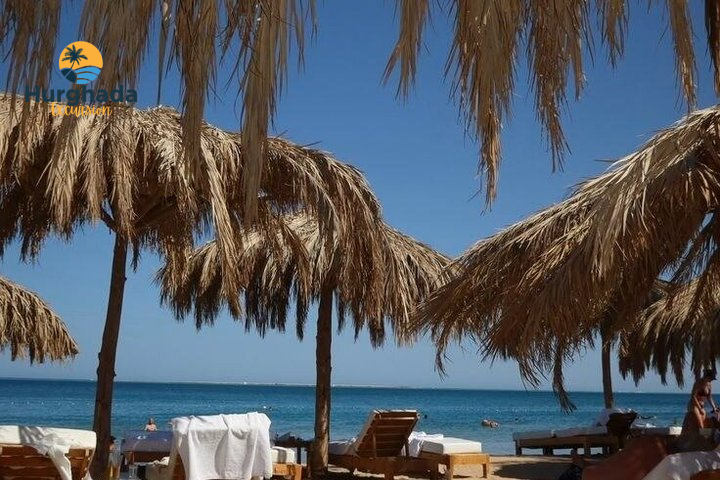
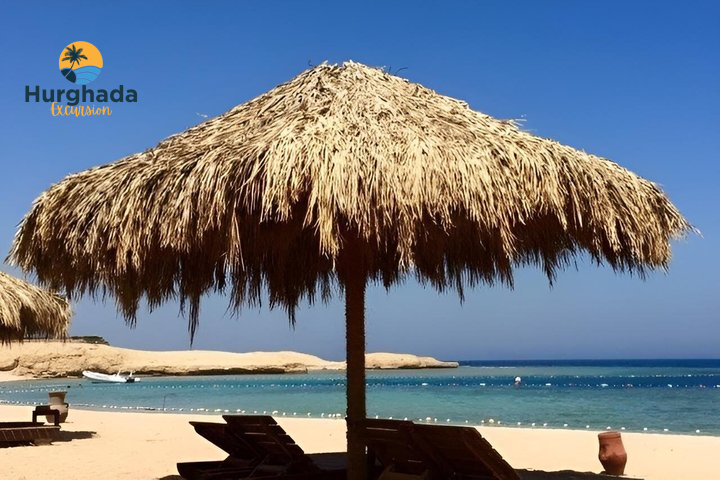
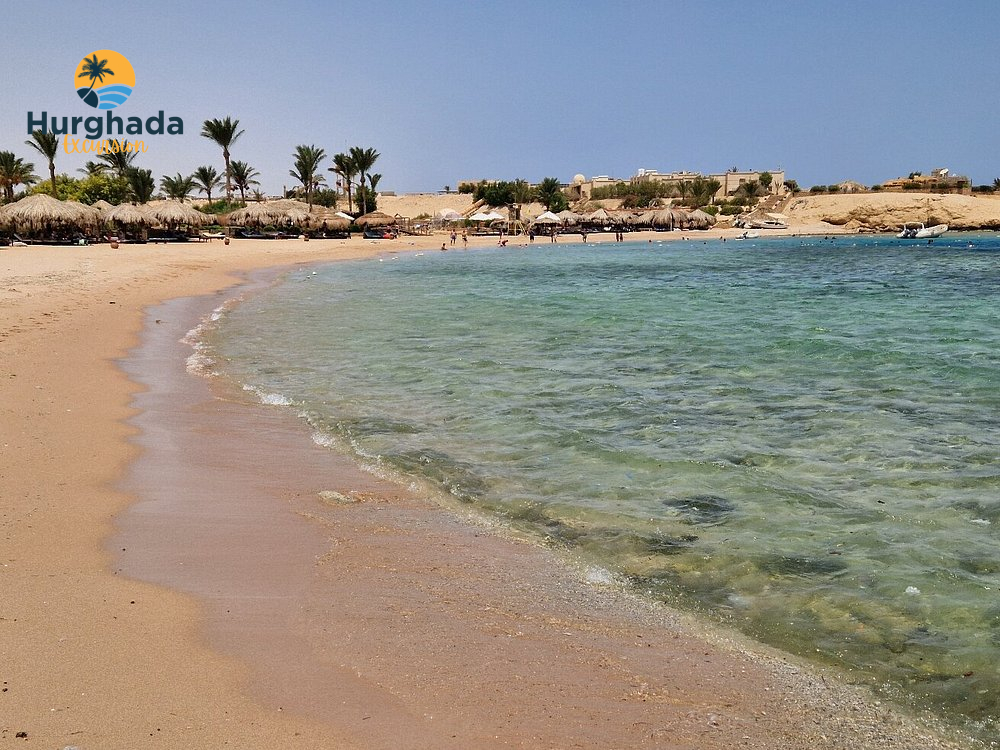
The Sharm El Naga beach is a natural, undeveloped crescent of white coral sand backed by sandstone cliffs — one of the most beautiful beaches in the Hurghada area. The beach is relatively uncrowded (particularly compared to the congested Hurghada corniche beaches), the water is crystal clear from the shore, and the natural landscape provides an authentically Egyptian Red Sea coastal experience rather than a resort-managed beach environment.
💰
8. Outstanding Value
The Sharm El Naga snorkelling trip is one of the best value marine experiences in Egypt — a full day on an outstanding reef with a beach, facilities, and excellent marine life for significantly less than a Giftun Island boat excursion. The entrance fee of ~€1–2 per person makes it accessible even on the tightest budget, and the guide-accompanied tour from Hurghada adds the expertise and transport convenience that most independent visits lack.
🤿
9. Accessible for All Levels
The protected bay, calm water, accessible reef depth, and shore entry make Sharm El Naga one of the most beginner-friendly snorkelling sites in the Red Sea. Complete non-swimmers can use the supplied flotation aids to observe the reef flat in 2–3 metres of water. Experienced snorkellers can explore the outer wall at 15–20+ metres. The site works equally well for first-time snorkellers and experienced underwater photographers.
📸
10. Outstanding Underwater Photography
The combination of exceptional visibility, calm water, shallow depth, and resident marine life (especially the hawksbill turtles, lionfish, and rays) makes Sharm El Naga one of the finest sites for underwater photography within easy reach of Hurghada. The guide identifies optimal photography positions for the most reliably encountered species and advises on approach technique for each.
Complete Trip Itinerary — From Hurghada to Sharm El Naga
Here is the complete Sharm El Naga snorkelling trip from Hurghada itinerary — a professionally managed full-day programme with all details:
🚌 SHARM EL NAGA FULL DAY TOUR FROM HURGHADA
Hotel pickup 08:00–08:30 AM · Drive south (~45 min, 45 km) · Arrive Sharm El Naga 09:00–09:15 · Morning snorkel session (09:15–11:30) · Beach break (11:30–12:30) · Lunch on site (12:30–13:30) · Afternoon snorkel session (13:30–15:30) · Return drive (15:30–16:15) · Hotel dropoff 16:15–16:30
08:00 – 08:30 · Hotel Pickup from Hurghada
🚌 Morning Pickup & Departure
Morning pickup from Hurghada hotels — the guide collects guests in an air-conditioned vehicle. The departure time (08:00–08:30) ensures arrival at the reef for the morning snorkelling session when marine life activity is highest and the light quality for underwater photography is at its best. The guide delivers the initial marine briefing during the 45-minute drive south to Soma Bay / Sharm El Naga.
What to bring to Sharm El Naga: Swimsuit (wearing under clothes) · Towel · Reef-safe mineral sunscreen only (chemical sunscreens damage coral — prohibited) · Waterproof camera or GoPro · Water bottle (1.5L minimum) · Light beach bag · Rashguard (strongly recommended for sun protection) · Cash EGP for lunch, sunbeds, or equipment rental on site · Flip flops for walking on the beach · Light cover-up for transit.
08:30 – 09:15 · Drive South to Sharm El Naga
🏜️ The Red Sea Coastal Drive — 45 Minutes South
The 45 km drive south from Hurghada along the Red Sea coastal highway passes through a beautiful Eastern Desert landscape — the red-brown mountains to the west, the turquoise sea to the east. The guide delivers the marine life briefing during this section: the species at Sharm El Naga, identification tips for the most commonly encountered fish, the rules for responsible reef snorkelling, and the snorkelling technique advice specific to shore-entry reef snorkelling.
09:15 – 09:30 · Arrival, Equipment & Briefing
🪸 Sharm El Naga Arrival — Equipment & Entry Briefing
Arrival at
Sharm El Naga — entrance fees paid at the gate (included in tour price). Snorkelling equipment distributed and quality-checked (masks fitted individually — a well-fitting mask that doesn’t leak is the single most important factor in a comfortable snorkelling experience). The guide delivers the final site-specific briefing: the three snorkelling zones (reef flat, inner wall, outer wall), the entry and exit points, the depth profile, the current conditions for the day, and the specific marine life locations known to the guide for this session.
Beginner orientation: the guide provides a 5-minute surface snorkelling demonstration for any guests who have never snorkelled before — mask clearing, breathing technique, and the correct body position for relaxed reef observation.
09:30 – 11:30 · First Snorkel Session — Reef Flat & Wall
🌊 Morning Snorkelling — The Prime Session
The main snorkelling session — two hours at the reef, led by the guide. The morning light (09:30–11:30) provides the ideal conditions: the sun is high enough to illuminate the reef colours through the water, the fish are at their most active (feeding and territorial), and the water temperature is at its pleasant morning level. The guide structures the session in three phases:
Phase 1 — Reef Flat (45 minutes): The shallow section (3–5 metres) accessible to all levels — the garden of coral heads, the resident moray eels, the territorial damselfish, the grazing parrotfish, the hunting lionfish, and the patches of blue-spotted rays on the sandy sections. The guide points out the residents at each familiar coral head.
Phase 2 — Inner Wall (30 minutes): The inner wall drop-off (5–10 metres) where the coral cover intensifies — sea fans, soft coral trees, sponge gardens, and the increased fish diversity that comes with depth. Experienced snorkellers can free-dive to observe the wall base; others observe from the surface with excellent clarity in the shallow water.
Phase 3 — Turtle Search (45 minutes): The guide leads the group to the areas of the reef where the resident hawksbill turtles are most commonly found — typically at specific coral heads on the reef flat or resting on sandy patches at 3–6 metres. Turtle encounter probability: approximately 60–70% on the morning session.
11:30 – 12:30 · Beach Break
🏖️ Beach Break — Rest, Refresh & Photography
Beach break — the guide leads the group back to the beach for a 60-minute rest period. Sunbeds are available for hire on site (approximately 50 EGP each — not included). The beach café serves cold drinks, fresh juices, coffee, and light snacks (EGP cash). The guide conducts a species identification session during the beach break — naming every fish species the group encountered during the morning session using the illustrated species card.
12:30 – 13:30 · Lunch
🍽️ Lunch at the Sharm El Naga Beach Restaurant
Lunch at the beach restaurant on site — grilled fish, Egyptian mezze, rice dishes, fresh bread, and cold drinks. The beach restaurant is simple but serves fresh food prepared on site. The guide handles all ordering for the group. The midday lunch break provides the essential rest period between the two snorkelling sessions and allows the marine life to settle after the morning’s activity.
13:30 – 15:30 · Second Snorkel Session
🤿 Afternoon Session — Outer Wall & Extended Reef
The afternoon snorkelling session — focusing on the sections of the reef not covered in the morning, particularly the outer wall section (10–20+ metres, experienced snorkellers only) and the northern reef section where different fish communities inhabit a slightly different coral landscape. The guide also leads the group back to the turtle resting areas — turtles at Sharm El Naga sometimes rest on the reef flat in the early afternoon after their morning feeding.
Optional free snorkelling for the final 30 minutes — guests who want to return to specific favourite spots from the morning session (a particular moray eel den, a lionfish overhang, a ray patch) can do so independently while the guide supervises from the surface. Guests who prefer to stay on the beach for the afternoon can do so — the second session is always optional.
15:30 – 16:30 · Return to Hurghada
🌅 Return Drive — Afternoon Light on the Red Sea
Return drive north to Hurghada — the afternoon sun on the Red Sea to the east creates beautiful amber light on the water. Arrival at Hurghada hotels approximately 16:15–16:30 PM. The guide conducts the post-session marine life recap and provides recommendations for further reef exploration in the Hurghada area based on the group’s specific interests from the day.
The Sharm El Naga Reef — Zones & Snorkelling Map
Zone 1 · Beginner
The Reef Flat (2–5m)
Entry from the designated entry point at the beach edge — wading through 20–30 metres of sandy shallows before the reef begins at approximately 2 metres depth. The reef flat extends for 50–100 metres before the wall begins. Dense coral heads, abundant fish, lionfish, rays, and turtles all present. Best for beginners, snorkellers, and families. The guide accompanies all beginners throughout this zone.
Zone 2 · Intermediate
The Inner Wall (5–12m)
The inner reef wall — the drop-off from the reef flat to 5–12 metres, marked by increasing coral density, sea fans, large table corals, and the more dramatic species: Napoleon wrasse, large grouper, and the moray eel network at the wall base. Accessible by free-diving from the surface or by simply floating above the wall and observing downward. Excellent visibility makes the 10-metre depth appear remarkably close from the surface.
Zone 3 · Advanced
The Outer Wall (12–20m+)
The outer wall drops to 20 metres and beyond — the domain of experienced free-divers and scuba divers. The guide leads advanced free-divers to the outer wall section for the deep-reef species not visible from the surface: large pelagic fish (trevally, barracuda), occasional reef sharks, and the extraordinary sponge and gorgonian communities at depth. Full scuba diving certification and equipment required for the deepest sections.
Marine Life Guide — What You Will See at Sharm El Naga
| Species |
Where Found |
Probability |
| Hawksbill Sea Turtle |
Reef flat, sandy patches, inner wall |
60–70% morning |
| Lionfish |
Coral overhangs, reef crevices |
90–95% — very common |
| Blue-Spotted Ribbontail Ray |
Sandy patches between coral |
80–90% — very common |
| Giant Moray Eel |
Reef base coral crevices |
85% — resident colony |
| Parrotfish (various) |
Throughout reef flat |
95% — abundant |
| Napoleon Wrasse |
Inner/outer wall |
40–50% |
| Pufferfish / Porcupinefish |
Coral heads, open reef |
80% — common |
| Scorpionfish |
Camouflaged on reef substrate |
60% if guide points them out |
| Whitetip Reef Shark |
Outer wall, deep sections |
20–30% outer wall section |
Sharm El Naga Diving — For Scuba Divers
🤿
Sharm El Naga as a Dive Site
Sharm El Naga diving is rated as an intermediate-level dive site — suitable for Open Water certified divers and above. The site offers shore entry diving without a boat and covers three distinct dive profiles: the reef flat (max 5m — good for beginners), the inner wall (max 15m — the primary dive profile), and the outer wall (max 25m+ — advanced divers). The dive site is largely unsupported (no dedicated dive centre at the beach itself) so divers should come equipped or use a Hurghada-based dive centre that offers guided Sharm El Naga dives.
📋
Dive Site Specifications
Entry: Shore entry · wading entry from beach. Maximum depth: 25m+ (outer wall). Average depth: 8–12m (inner wall). Current: Minimal to moderate — check conditions on arrival. Visibility: 20–30m year-round. Certification required: PADI Open Water or equivalent. Best dive period: March–November. Water temperature: 22–29°C depending on season.
Sharm El Naga & Soma Bay — The Complete Area Guide
🏨
Soma Bay Peninsula
Sharm El Naga Soma Bay relationship: Soma Bay is a prestigious luxury resort peninsula approximately 45 km south of Hurghada, immediately south of Sharm El Naga Bay. The peninsula is home to several five-star resorts and is known for its exceptional kitesurfing conditions (the northerly winds that sweep the peninsula are among Egypt’s finest). The resorts have their own private beaches, but the Sharm El Naga public beach is accessible to all visitors independently of any resort booking.
🏄
Kitesurfing & Windsurfing
The Soma Bay / Sharm El Naga area is one of Egypt’s premier kitesurfing and windsurfing destinations — the steady northerly wind that blows through the bay from April to October creates ideal conditions. Several kitesurfing schools operate in the area. For snorkelling day-trippers, the morning sessions (before 11:00 AM when the wind builds) are recommended — the afternoon can be choppy in the main season.
🍽️
Food & Facilities at Sharm El Naga
The Sharm El Naga beach has a basic but adequate café/restaurant serving grilled fish, sandwiches, Egyptian dishes, fresh juices, and cold drinks. Sunbeds and umbrellas are available for hire. Changing rooms, showers (freshwater), and toilets are on site. Equipment rental (mask, fins, snorkel) is available at approximately 80–120 EGP per set. Life vests are available for non-swimmers. Photography from shore and from the water is unrestricted.
Best Time to Visit & Seasonal Conditions
| Month |
Water Temp |
Wind |
Snorkel Conditions |
Verdict |
| Jan – Mar |
20–23°C |
Variable/light |
Excellent visibility · some days choppy |
Very good · 3mm wetsuit recommended |
| Apr – Jun |
24–28°C |
Building north wind |
Excellent morning · choppy afternoon |
Excellent — morning sessions priority |
| Jul – Sep |
27–30°C |
Strong north wind |
Bay sheltered · good morning · rough afternoon |
Good — early morning departure essential |
| Oct – Dec |
24–27°C |
Easing wind |
Excellent all day |
Ideal — best overall season |
Sharm El Naga Entrance Fee & Trip Price 2026
| Item |
Price (EGP) |
Approx. EUR |
Notes |
| Sharm El Naga Beach Entrance (Adult) |
~60–100 EGP |
~€1–2 |
Included in guided tour price |
| Equipment Rental (mask/fins/snorkel) |
~80–120 EGP |
~€1.50–2 |
Included in guided tour (quality gear) |
| Sunbed hire (on-site) |
~50 EGP per bed |
~€1 |
Not included — optional on-site purchase |
| Guided tour from Hurghada (per adult) |
~€15–20 total |
~€15–20 |
Transport + guide + equipment + entrance |
| All-inclusive tour (+ lunch) |
~€25 total |
~€25 |
Full day · transport + guide + gear + lunch |
Sharm El Naga Snorkeling Trip from Hurghada — From
€15
per adult · Hotel pickup · Guide · Equipment · Beach entry · Return transport
All-inclusive with lunch from €25 · Children 4–11: 50% discount
Sharm El Naga vs Giftun Island vs Abu Dabbab
| Feature |
Sharm El Naga |
Giftun Island |
Abu Dabbab |
| Distance from Hurghada |
45 km · 45 min drive |
15 km · 30 min boat |
180 km · 3h drive |
| Transport type |
Road — no boat needed |
Boat required |
Road — no boat needed |
| Turtle encounter |
60–70% hawksbill |
10–20% occasional |
95–100% green turtle |
| Coral quality |
Excellent |
Good (some bleaching) |
Excellent |
| Price |
From €15 (best value) |
From €25–35 |
From €35 |
| Best for |
Value · coral · shore snorkel · beginners |
Full sea day · boat trip · social |
Turtle specialists · seagrass · dugong |
10 Expert Tips for Your Sharm El Naga Visit
Tip 1 — Go in the morning — marine life is most active between 09:00 and 11:00 AM. The best snorkelling conditions at Sharm El Naga are in the morning — the fish are actively feeding, the turtles are foraging, the rays are on the sandy patches, and the light angle (with the sun lower in the sky and entering the water at a raking angle) creates the most dramatic and colourful underwater photography conditions. Avoid midday sessions (12:00–14:00) when the overhead sun bleaches the water colours and the wind begins to build.
Tip 2 — Use only reef-safe mineral sunscreen — and apply it at the hotel, not at the beach. Chemical sunscreens damage coral reefs — specifically causing coral bleaching and hormonal disruption in coral polyps. Sharm El Naga’s reef quality is one of its primary assets; protect it by using only zinc-oxide or titanium-dioxide mineral sunscreen. Apply it at the hotel at least 30 minutes before departure. A rashguard (long-sleeved Lycra swim shirt) is the most practical sun protection for snorkelling — no sunscreen application needed on covered areas.
Tip 3 — Make sure your mask fits before entering the water. A leaking mask destroys the snorkelling experience — constant saltwater ingestion and distracted mask-clearing make it impossible to observe the reef comfortably. The guide fits masks individually at the briefing. To test fit: place the mask on your face without the strap, breathe in through your nose — the mask should stay on your face by suction alone. If it falls away, it doesn’t fit and you should request a different one.
Tip 4 — Look at the sandy patches between coral heads — the most interesting animals are often hiding there. Most beginner snorkellers look at the coral itself and miss the sandy habitat between coral heads — which is where the blue-spotted rays rest, the flatfish camouflage, the seahorses (occasionally) hide in seagrass strands, and the scorpionfish camouflage into the rubble. The guide specifically scans the sand between coral heads during guided sessions. Learn to look at the sand as much as the coral.
Tip 5 — Don’t touch the lionfish — they are venomous. The beautiful, slow-moving lionfish at Sharm El Naga are venomous — their elaborate dorsal fins contain venom-tipped spines that inject a painful (though rarely fatal) venom. The guide advises on safe viewing distances (1 metre) and warns specifically against reaching toward any fish with striped fins on the reef. Lionfish are not aggressive — they only sting in self-defence when touched or cornered.
Tip 6 — Bring a waterproof camera — the conditions are perfect for underwater photography. Sharm El Naga’s exceptional visibility (20–30 metres), calm water, shallow depth, and diverse resident marine life make it one of the finest sites for beginner underwater photography in the Red Sea. A basic waterproof point-and-shoot camera or a GoPro in its waterproof housing is perfectly adequate. Set the widest angle possible and get as close to the subject as the guide’s approach protocol allows.
Tip 7 — Take the guided tour rather than visiting independently — the guide knows exactly where everything is. It is entirely possible to visit Sharm El Naga independently by taxi from Hurghada. However, without the guide, most visitors swim the reef flat at random and miss the resident turtles (which are in specific, regularly used locations), the lionfish dens (hidden in coral overhangs), the ray patches (on specific sandy sections the guide knows), and the outer wall section (which requires safe navigation). The guide adds significant wildlife encounter probability to every session.
Tip 8 — Stay for the afternoon session — the reef in the afternoon has a completely different character. Many day-trippers leave Sharm El Naga after the morning session and miss the afternoon experience — when the fish feeding patterns change, the afternoon light creates different underwater colours, and the turtles are more likely to be resting on the reef rather than actively moving. The all-day programme provides twice the marine encounter opportunity of the half-day option at only a modest additional cost.
Tip 9 — Sharm El Naga is perfect for guests who suffer from seasickness on boat trips. The principal advantage of Sharm El Naga’s shore-entry format for many guests is the complete absence of a boat. Guests who have suffered from motion sickness on the Giftun Island boat trip — and this is a significant number — find that Sharm El Naga delivers equivalent or better snorkelling quality without any of the discomfort. The drive (45 minutes on a smooth coastal road) is significantly less demanding than even a 30-minute Red Sea boat crossing.
Tip 10 — Sharm El Naga is the most underrated snorkelling day trip from Hurghada — tell your hotel. Despite its outstanding reef, exceptional marine life, and remarkable accessibility, Sharm El Naga is significantly less well-known than Giftun Island among casual visitors because hotel tour desks have less commercial incentive to promote it (lower margins on a lower-price trip). Word of mouth from guests who have been is consistently enthusiastic — it is one of the finest value-for-money marine experiences available on the Egyptian Red Sea coast.
Real Reviews from Travellers
★★★★★
“We had done Giftun Island the day before and the boat was packed with 80 people. Sharm El Naga was the complete opposite — maybe 15 other visitors on the whole reef. We saw a hawksbill turtle within 10 minutes. Three lionfish. Countless rays. The coral was in much better condition than Giftun. The guide knew exactly where everything was. Genuinely the best snorkelling of the entire holiday and it cost less than half the Giftun trip.”
James W. — Edinburgh · April 2026
★★★★★
“My husband gets seasick on boats — we thought we couldn’t do any snorkelling on our Hurghada holiday. Then our guide suggested Sharm El Naga. A short drive, walk into the sea, put your head down, and you’re in an incredible reef. My husband was completely fine — he snorkelled for 2 hours and saw more marine life than I have ever seen on a boat trip. The turtle encounter made us both cry. Absolutely perfect.”
Caroline & Peter K. — London · March 2026
★★★★★
“First time snorkelling in my life. The guide spent 10 minutes with me on the beach teaching me how to breathe through the snorkel and clear the mask. Within 5 minutes of entering the water I saw a huge moray eel. Then a lionfish. Then a ray. Then — a turtle. The whole experience from hotel pickup to hotel dropoff was 8 hours and I was in the water for 4 of them. I am going back next year.”
Sarah T. (first-time snorkeller) — Manchester · February 2026
Frequently Asked Questions
How far is Sharm El Naga from Hurghada?
Sharm El Naga is approximately 45 km south of Hurghada — approximately 45 minutes by road along the Red Sea coastal highway. No boat is required — the reef is accessed directly from the beach. The tour departs from Hurghada hotels at approximately 08:00–08:30 AM, arriving at Sharm El Naga by 09:00–09:15 AM for the morning snorkelling session.
What is the Sharm El Naga beach entrance fee?
Sharm El Naga beach entrance fee 2026: approximately 60–100 EGP (~€1–2) per adult. Children under 6 are typically free. Equipment rental (mask, fins, snorkel) costs approximately 80–120 EGP (~€1.50–2) per person on site. Sunbeds are approximately 50 EGP each. All entrance fees and quality snorkelling equipment are included in our guided tour price from Hurghada.
What is the Sharm El Naga snorkeling trip price from Hurghada?
Sharm El Naga snorkeling trip price from Hurghada 2026: From €15 per adult (hotel pickup, return transport, expert guide, quality snorkelling equipment, beach entrance fee). All-inclusive with lunch: from €25 per adult. Children 4–11: 50% discount. Free cancellation 48 hours before. The guided tour price represents outstanding value compared to Giftun Island boat trips (from €25–35) for comparable or better snorkelling quality.
Is Sharm El Naga suitable for beginners who have never snorkelled before?
Yes — Sharm El Naga is an excellent site for complete beginners. The protected bay provides calm, minimal-current water. The reef flat at 2–5 metres is immediately accessible by shore entry without any swimming ability (life vests available). The guide provides a surface snorkelling lesson for beginners before entry. Most complete beginners are confidently snorkelling over the reef within 10–15 minutes of their first attempt. The Sharm El Naga reef’s shallow depth means the fish and coral are visible from the surface without any diving required.
Book Your Sharm El Naga Snorkeling Trip Today
From €15 per adult · Hotel pickup · 45 min drive · Hawksbill Turtles · Lionfish · Rays · Pristine Coral Reef · Expert Guide · Quality Equipment · Free Cancellation.
🪸 Book Now — From €15 per Adult
The Sharm El Naga snorkelling trip from Hurghada is the Red Sea’s best-kept secret — outstanding coral, reliable hawksbill turtle encounters, exceptional marine diversity, beautiful beach, and all within 45 minutes of Hurghada at a fraction of the cost of offshore island boat trips. It is the snorkelling destination that experienced Red Sea visitors return to again and again, that first-time snorkellers describe as the experience that converted them to the ocean, and that marine photographers credit as the site where they took their finest Red Sea photographs. Its very accessibility — 45 km by road, entrance fee of €2, shore entry — makes it feel less dramatic than the multi-hour boat excursions to distant islands. And yet the reef at Sharm El Naga, in its clarity, its coral quality, its resident wildlife, and its quiet beauty, outperforms most of those distant islands by every meaningful measure.
Book your Sharm El Naga snorkelling trip today with Hurghada Excursion — hotel pickup, expert guide, quality equipment, beach entrance, and the finest accessible reef snorkelling available from Hurghada at the most competitive price on the Red Sea coast.